Baseball in Denmark
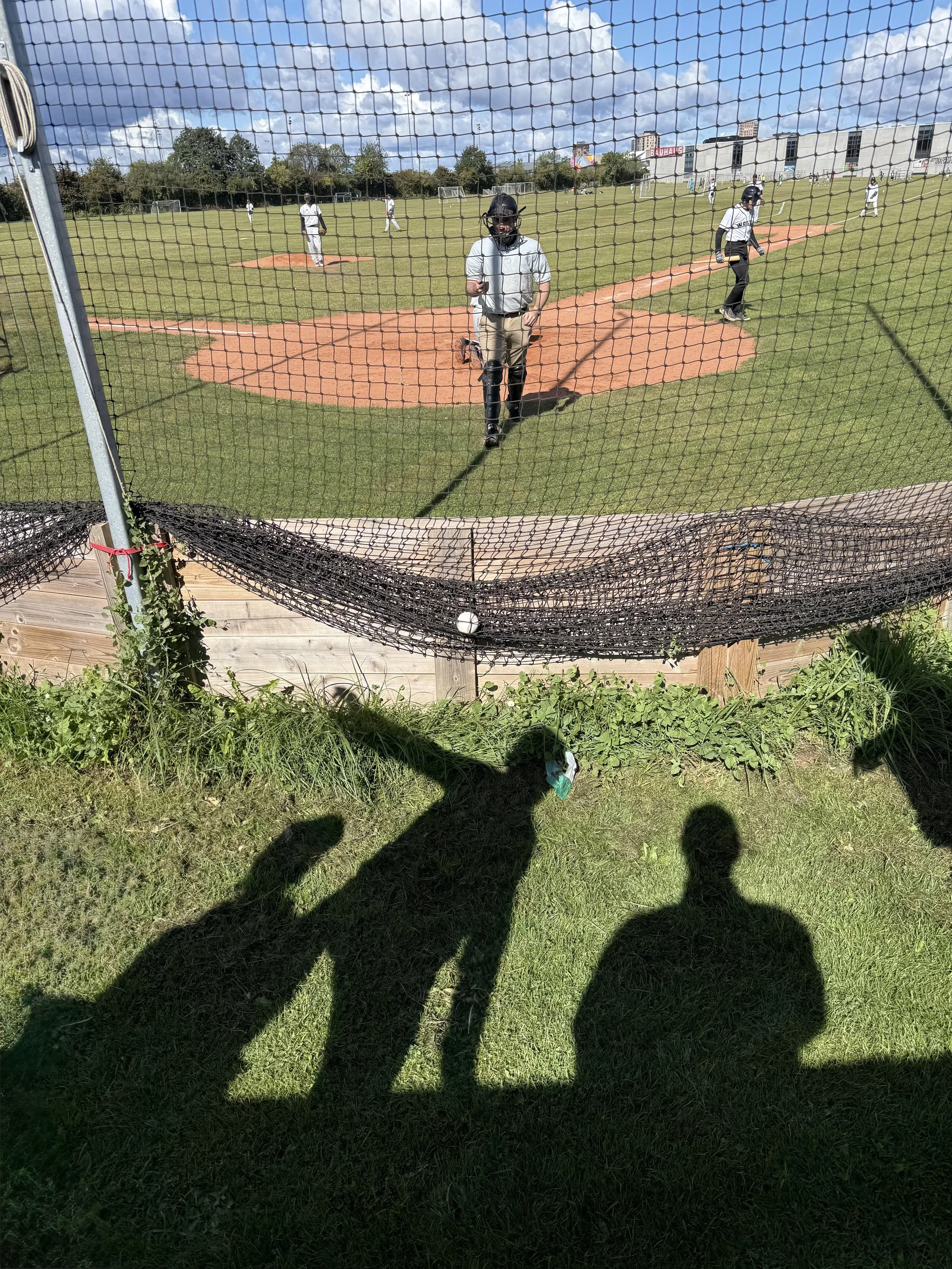
Copenhagen Baseball Club – Valby Idrætspark, September 2025 (Photo by Andy Bertelsen)
Baseball in Denmark: A Cultural Opportunity — From Rundbold Roots to a New Urban Game
Author: Andy Bertelsen
Baseball CPH / Cultural and Community Development Initiative
Date: October 2025
Executive Summary
Baseball in Denmark: Design, Community, and Civic Potential
A civic brief prepared for policymakers, planners, and partners exploring the future of baseball in Copenhagen and Denmark.
Purpose
Baseball in Denmark is more than a sport. It represents a civic and cultural opportunity that reflects Danish values of design, cooperation, and shared purpose. Through volunteer effort and local initiative, baseball has become a growing expression of Denmark’s creativity and civic trust.
Current Context
Copenhagen Baseball Club, home to the Urban Achievers, Aces, Acorns, and Alley Cats, anchors Danish baseball at Valby Idrætspark’s “Field of Dreams.” Built almost entirely by volunteers, it stands as a living symbol of fællesskab (community through shared effort).
Denmark has roughly 200–300 active players across senior, youth, and softball divisions governed by the Danish Baseball Softball Federation (DBaF) and participates in WBSC Europe competitions.
Baseball reflects Copenhagen’s multicultural identity, uniting Danes, Americans, Japanese players, and others through shared participation.
Key Challenges
Facilities: Only one full-sized field exists, threatened by railway expansion and design issues that require safer orientation and better lighting.
Funding: Players self-fund most costs, and the sport lacks municipal or private financial support.
Recognition: Baseball remains largely absent from Danish recreation policy despite its civic and cultural value.
Opportunities & Actions
Civic Renewal: Promote a slower, social model of recreation that reflects Danish values of equality and balance.
Urban Design: Redevelop Valby Park and nearby DSB buildings to merge sustainability, design, and sport.
Collaboration and Growth: Create a forening–ApS partnership linking volunteers, professionals, and civic partners while expanding youth programs through Denmark’s sports folk high schools or idrætshøjskoler.
· Next Steps: Reorient and expand the Field of Dreams, add indoor facilities and lighting, secure co-funding, and embed baseball in schools and civic events.
Real-World Outcomes
Within five years, Copenhagen could host youth and community tournaments drawing families from across the Nordic region. A redesigned Field of Dreams, aligned for safety and fitted with sustainable lighting, could operate year-round as a civic hub. Danish-trained coaches would lead inclusive programs supported by civic and private partners, while adaptive reuse of nearby buildings would embed baseball within Copenhagen’s urban identity.
Baseball in Denmark proves how thoughtful design and shared purpose can transform recreation into civic architecture.
1. The Baseball Ecosystem in Denmark and the Nordic Region
1.1 The Current State of Baseball in Denmark
Baseball in Denmark exists within a modest yet passionate national network that continues to mature each season. Though small in scale, the sport has taken root through local initiative and volunteer energy, sustained by a growing belief that baseball can find a meaningful place within Danish culture.
The Danish Baseball Softball Federation (DBaF), which oversees the sport nationally through its platform baseball.dk, governs league play, coordinates club competitions, and maintains ties with European baseball and softball bodies. Through this structure, DBaF supports tournaments, coaching development, and the gradual expansion of club activity across the country.
Teams are distributed across Denmark’s major population centers including Copenhagen, Aarhus, Odense, and parts of Jutland, all sustained by volunteers and community participation. Among these, Valby Idrætspark in Copenhagen stands out as both an athletic and social hub, embodying the grassroots energy that sustains the sport. It is home to the Copenhagen Baseball Club, known as the Urban Achievers, whose success and commitment have become emblematic of baseball’s growth in Denmark. Their recent victory in the Denmark Baseball Cup Finals highlights not only athletic progress but also the vitality of Denmark’s baseball community at large.
Despite steady progress, baseball remains a niche pursuit in both Copenhagen and the wider country. The game continues to face challenges such as limited access to dedicated fields, a short outdoor season, and strong competition from more established sports like football and handball. Indoor training space during the colder months is also limited, often shared or prioritized for other athletic organizations. Even so, consistent coaching initiatives and informal youth clinics—many inspired by community-driven models—have begun to stabilize participation and sustain player interest across the country.
Summary Insight: Baseball in Denmark continues to evolve through dedication rather than resources. Its survival rests on community organization, volunteer leadership, and a shared belief that small-scale sports can hold national cultural value.
1.2 The European and WBSC Context
Denmark’s baseball community functions within a wider European framework governed by the World Baseball Softball Confederation (WBSC). Through its membership in WBSC Europe, the Danish Baseball Softball Federation connects Danish clubs and players to international development programs, coaching exchanges, and competitive pathways that link them to the continent’s growing baseball and softball network.
Across Europe, established nations such as the Netherlands, Italy, and the Czech Republic operate professional or semi-professional leagues and maintain full national teams for youth and adults. These programs set the regional benchmark that smaller nations, including Denmark, aim to reach. Within Scandinavia, countries like Sweden and Finland have also begun collaborating through cross-border tournaments and shared training initiatives, helping raise the profile of baseball throughout the Nordic region.
While Denmark already participates in this cooperative structure, it continues to develop the organizational depth needed for a consistent national baseball team at both teenage and adult levels. Its WBSC Europe affiliation offers a clear opportunity: by strengthening Nordic and European partnerships, hosting regional events, and investing in year-round training, Denmark can evolve within a continental growth model rather than remain isolated.
Softball illustrates this potential. The Danish women’s national softball team competes in WBSC Europe tournaments such as the European Women’s Softball Championship, providing Denmark with an active international presence. This structure demonstrates how organized participation, coaching, and visibility can help both sports grow and secure Denmark’s place within Europe’s expanding baseball and softball community.
Summary Insight: Denmark’s participation in WBSC Europe connects its grassroots baseball culture to a wider continental network. Strengthening Nordic partnerships and year-round training could turn that connection into genuine competitive momentum.
1.3 Cultural Roots and Regional Ties: From Rundbold to Nordic Collaboration
Long before organized baseball appeared, Danes were already familiar with bat-and-ball play. Games such as rundbold and langbold were common in schools and rural communities throughout the nineteenth century in Denmark and neighboring Germanic regions, emphasizing rhythm, coordination, and the shared excitement of returning “home.” These games mirrored baseball not only in form but in spirit, reflecting values of teamwork, fairness, and social play that remain central to Danish recreation today.
Rundbold, in particular, continues to thrive across Denmark in school breaks, after-school programs, and community gatherings. Its enduring presence keeps the mechanics and joy of bat-and-ball play alive within Danish culture, making baseball feel less like a foreign import and more like a natural evolution of something long familiar. Recognizing these continuities helps reposition baseball not as an outsider’s sport but as a descendant of Denmark’s own folk play — an activity that shares the same emphasis on participation, rhythm, and community connection.
This cultural foundation extends northward into a growing regional network that binds Denmark to its Nordic neighbors. The relationship between Copenhagen and Malmö, for example, has become an emerging partnership in Nordic baseball. Cross-border games and friendly tournaments allow clubs to share resources, talent, and competitive experience. Players often describe these events as highlights of the season, illustrating how baseball can foster camaraderie across national boundaries and create meaningful cultural exchange through sport.
Sweden’s stronger baseball infrastructure, particularly in Malmö and Stockholm, provides Denmark with a nearby model of what structured development and sustained investment can achieve. Danish and Swedish coaches now cooperate through shared training sessions and informal youth programs, offering players exposure to higher levels of play and more organized competition. Beyond Sweden, the Nordic baseball presence extends into Norway and Finland, where growing clubs and national programs contribute to a slowly expanding northern European network.
Together, these cultural and regional continuities form a story of adaptation — how a global game takes root by aligning with local traditions and regional cooperation. For Denmark, the future of baseball may depend not only on domestic commitment but on how effectively it builds upon its folk heritage and Nordic partnerships to strengthen clubs, enhance competitiveness, and position Copenhagen as a central hub for baseball’s growth in Scandinavia.
Summary Insight: Baseball’s emergence in Denmark is not an import but an evolution. From the folk rhythms of rundbold to modern Nordic collaboration, the sport’s future depends on recognizing cultural continuity and regional cooperation as its foundation for growth.
1.4 Copenhagen Baseball Club and the Pulse of the Game
At the center of Denmark’s baseball landscape stands the Copenhagen Baseball Club, home of the Urban Achievers. Founded in 1992, the club reflects the multicultural and design-minded spirit of modern Copenhagen. Practices at Valby Idrætspark bring together students, professionals, and newcomers who share a collective passion for the game and a commitment to growing baseball in Denmark.
The Urban Achievers serve as the club’s senior and most competitive team, competing in the Danish National Baseball League. They are joined by the Copenhagen Aces, a development-oriented team that provides opportunities for newer and returning players to refine their skills in an inclusive setting. Together, these two teams combine competition with mentorship, creating a clear pathway for development at all levels.
The club’s junior program is equally important, featuring youth teams such as the Acorns and the Tuff Nuts. These groups introduce children to baseball through playful training, teamwork, and local tournaments, ensuring that the sport remains accessible and family-oriented.
The community’s most visible accomplishment is the creation of Copenhagen’s first dedicated baseball field at Valby Park, known as the Field of Dreams. Once an open municipal space, it became a true home for the sport through volunteer labor and vision. More than 600 hours of work, 7,600 kilograms of sand, and hand-built dugouts turned a bare patch of grass into a regulation baseball diamond and a social hub. The field embodies the Danish principle of fællesskab, or community through shared effort, and demonstrates what organized collaboration can achieve without corporate or government sponsorship. It is both infrastructure and identity: a modest field with a large heart.
The club operates within a single cooperative framework. Facilities, coaches, and practice schedules are shared between the Achievers and the Aces, often training side by side. Coaches balance competitiveness with inclusion, giving new players genuine opportunities while guiding experienced ones toward higher levels of play. This shared environment allows knowledge and culture to circulate. Less experienced players observe the routines of veterans, while their curiosity and questions keep the game reflective and open-ended. The result is an organization that combines mentorship with ambition, ensuring that baseball in Copenhagen remains both accessible and competitive.
Softball, baseball’s companion sport, plays an equally important role in this ecosystem. The women’s team, the Alley Cats, welcomes new players to open practices and provides equipment so that anyone can participate regardless of experience. The program invites women into a space that might otherwise remain male-dominated and creates new social rituals around the game. By integrating women’s softball within the same facilities and club structure, the Copenhagen Baseball Club turns baseball into a genuinely inclusive community. The presence of women’s teams strengthens the civic and cultural foundation of the club and highlights that participation, not hierarchy, defines success.
At its core, the Copenhagen Baseball Club embodies how the sport has adapted to Danish life: volunteer-driven, cooperative, and welcoming to all. From youth programs to senior leagues, from men’s baseball to women’s softball, the rhythm of participation at Valby Idrætspark tells a single story of community persistence and pride.
Summary Insight: The Copenhagen Baseball Club shows what Danish baseball has already achieved through community spirit in Copenhagen. Built by volunteers and sustained by inclusion, the Field of Dreams and its teams prove that the sport’s strength lies not in scale but in shared commitment and civic pride.
2. Positionality and Perspective
To understand this ecosystem more deeply, it became necessary to experience it firsthand. This paper grows from both personal experience and observation. I come to the subject not only as a researcher but as someone who has lived the rhythms of baseball since childhood.
I grew up playing baseball but stepped away from it for many years. It was only in my late twenties that I realized how important the game had been, how much structure, community, and purpose it offered alongside the simple yet challenging nature of play. Joining an adult wooden bat league in Los Angeles reintroduced me to those values and reminded me why the game matters. It showed that baseball is more than a pastime; it is both social glue and personal discipline, and above all, a source of joy and connection.
When I later came to Denmark, I was curious to see what Copenhagen had to offer. After some research, I discovered the Copenhagen Baseball Club and reached out to learn more. They invited me to join practices and were open to sharing their story, especially the players who had been part of the club for years and helped build the field at Valby Idrætspark. Rejoining the game in Denmark felt both familiar and new. The rhythm of practice, teamwork, and competition was the same, but the landscape was different: fewer fields, fewer players, yet a deep sense of curiosity and communal warmth that stood out immediately.
As an American with dual citizenship in Denmark, I experience baseball through two overlapping lenses. From the American side, the game carries history, ritual, and professional spectacle. From the Danish side, it feels smaller, purer, and often experimental. Living between these two cultures allows me to see how the same sport expresses different values. In the United States, it emphasizes success, specialization, and tradition. In Denmark, it reflects equality, improvisation, and collective effort.
What stands out most about baseball in Copenhagen is the mix of people who come together to play. The field often gathers Danes who discover the game on their own, sometimes through online clips of Major League Baseball, alongside American expatriates who miss the rhythms of home and players from a variety of international backgrounds. Some are students or professionals living abroad, others are newcomers seeking community and connection. The result is a space that mirrors Copenhagen’s cosmopolitan character, where languages blend naturally between throws, swings, and catches.
This cultural diversity shapes not only how the game is played but how it is experienced. Practices blend styles and perspectives: an American player may explain the finer points of the game, while a Danish teammate brings creativity, patience, and teamwork over hierarchy. The field becomes a place of translation between languages, between sporting traditions, and between ways of understanding collaboration and competition.
Summary Insight: Writing from both within and between two cultures, this paper reflects how baseball in Copenhagen connects local curiosity with global tradition. My position as an American-Danish player allows me to see the sport as both memory and adaptation, a shared practice that bridges identity, community, and belonging.
2.1 From Abundance to Scarcity: Baseball in Context
Coming from a place where baseball infrastructure is abundant, I quickly recognized how scarcity in Denmark inspires creativity. Riding my bicycle to the field with a baseball bat sticking out of my backpack, I often noticed curious looks from people trying to identify what it was, sensing something unfamiliar. When I mentioned that I played baseball, most were surprised to learn the sport even existed in Copenhagen at all.
Without rows of batting cages or full-sized diamonds, players adapt. They share equipment, improvise bullpens, and train indoors during the winter months. In Los Angeles, baseball can feel commercial. In Copenhagen, it feels crafted.
This scarcity fosters community and redefines what commitment looks like. Players prepare the field together, gather lost balls, and make sure equipment is properly stored. Many stay late to enjoy a beer as darkness falls, since there are no field lights to extend play. Within the Danish baseball community, some players truly carry the heart of the sport. They arrive first and leave last, ensuring the field is ready for the next practice. One player remarked that while theft is rare in Denmark, he still locks up, not out of fear but pride. It speaks to a shared understanding that this community is small, sustained by effort and trust, and must protect what it has built.
That contrast gives Danish baseball its cultural meaning. It is less about performance and more about perseverance — a handmade version of the game, held together by dedication and the quiet work of those who refuse to let it disappear.
Summary Insight: Scarcity has made Danish baseball inventive and communal. Without the resources of larger nations, players transform limitation into craftsmanship, turning each practice into a shared act of resilience and pride.
2.2 Reflection and Contemporary Significance
My participation as both player and observer creates a hybrid approach to understanding baseball in Denmark. I take part in drills, collect balls during batting practice, and learn by watching others. Coaches share insights, teammates exchange techniques, and each repetition feels like a small act of rediscovery. Returning to the sport after years away required patience and humility, but it also revealed how baseball here functions as a living classroom in cooperation and persistence.
Through this experience, I came to understand baseball in Denmark not only as a sport but as a shared cultural practice of improvement and perseverance. My own progress mirrored the club’s growth: both required commitment, collaboration, and belief in the slow accumulation of skill. Each practice became both physical and reflective, an apprenticeship of the body and the community.
Understanding this position allows me to see what baseball represents in Danish life today. It remains a small community, but one that reflects broader themes in Denmark’s evolving cultural landscape — global connection, grassroots participation, and civic creativity. Having witnessed the game in its commercial form in the United States, I found the Danish version deeply authentic, driven by curiosity, friendship, and shared enjoyment.
The simplicity of it was moving. Danes and non-Danes come together around the game, using what they have and making it work. This act of participation is both social and civic. It shows that even in modest conditions, baseball here reveals the same design values that shape Danish society: cooperation, practicality, and collective imagination.
Summary Insight: Baseball in Denmark mirrors the country’s broader values of design and community. Its growth depends not on scale but on shared participation — a reflection of how creativity, patience, and cooperation define progress in Danish life.
3. The Community Engine of Danish Baseball
3.1 The Power of Community in a Growing Sport
At the heart of baseball’s development in Denmark is a deep sense of care and cooperation. With limited budgets and no large institutional backing, progress depends on relationships among players, coaches, parents, and volunteers who share the same vision and the same space each week.
Setting up the pitching machine, dragging the backstop, and repairing worn equipment are collective acts of belief that the sport matters here. Every task, no matter how small, is a reminder that Danish baseball survives through effort rather than entitlement. Each time the field is prepared, it becomes not just playable but possible, a testament to the quiet pride and persistence that sustain it.
Participation is open to all. Newcomers, whether Danish or international, can attend a practice, pay a modest club fee, and help sustain the program. The story of the Copenhagen Baseball Club is one of persistence and collaboration. Through shared effort, the club has built not only a team but a community that connects adults, youth, and families across the city.
3.2 The Next Generation: Youth and Mentorship
The most hopeful sign for the sport’s future lies in the growing number of children now learning baseball across Copenhagen. The junior program introduces players aged eight to fifteen to the fundamentals of teamwork, coordination, and play. Equipment and coaching are provided so that any child can participate regardless of background.
Volunteers from the Urban Achievers and the Aces lead these sessions, offering instruction and encouragement. During one adult practice, several young players joined to play catch with a senior pitcher, watching drills and hard-hit balls with awe. Their curiosity captured the transfer of knowledge between generations.
Even small acts, such as children helping with field maintenance, reveal how baseball in Denmark grows through shared responsibility. The young players see role models who both compete and give back, forming a cycle of care that mirrors Danish civic values.
3.3 A Model of Organized Community
These interconnected layers — senior teams, youth programs, women’s softball, and volunteers — form a living network of participation. Organization here is relational rather than bureaucratic, built on people showing up, communicating, and taking responsibility for the collective.
Trust and reciprocity shape the club’s rhythm more than hierarchy or control. The Copenhagen Baseball Club operates like a web of mutual obligations. Each member, from a senior player to a parent maintaining the field, contributes to continuity. Leadership circulates rather than concentrates, and coordination happens through conversation and shared work rather than rigid scheduling.
American players also influence the culture and atmosphere of Danish baseball. Their presence brings openness, humor, and a sense of celebration that blends naturally into the club’s daily rhythm. The collaboration between Danish and international players has created a shared culture of play that is both local and global, grounded in respect, growth, and enjoyment.
Summary Insight: Baseball in Denmark thrives through participation and reciprocity. Its success is built not on funding or structure, but on the rhythm of shared work, mentorship, and inclusion — a living model of community in motion.
4. From Community Roots to Civic Potential: Baseball as a Cultural Asset
4.1 A Moment of Opportunity
Baseball in Denmark stands at a promising intersection of community energy and civic possibility. What began as volunteer-driven play now reflects a deeper set of values that align closely with Danish social ideals. The sport’s rhythm, restraint, and fairness echo national strengths of equality and cooperation. As the game matures, its growth represents not just an athletic pursuit but an opportunity to contribute to Denmark’s cultural and civic life.
Across Europe, football’s professional intensity has begun to show signs of fatigue among both players and spectators. The sport has become a serious identity engine, shaping cities, economies, and personal loyalties. Baseball offers an alternative that is slower, more social, and more reflective. For a society that values balance, equality, and wellness, it provides a framework that emphasizes ritual, community, and play over spectacle.
Even a modest crowd at a Copenhagen game shows that while Danish baseball remains small, it carries a distinct energy. Its pace invites conversation and reflection, its structure rewards patience and cooperation, and its atmosphere bridges cultures. These qualities align naturally with Denmark’s civic character and demonstrate how a global game can find a local identity.
This convergence of community values and civic potential marks a rare opportunity. Baseball’s presence in Denmark may still be modest, but it represents the kind of social innovation that the country has long excelled at—one grounded in participation, equality, and thoughtful design. What began as a shared field could become a shared framework for civic connection, youth development, and public well-being.
Summary Insight: Baseball in Denmark stands as a new civic opportunity. Rooted in community and sustained by participation, the game offers a model for how culture, cooperation, and design can strengthen public life.
4.2 Youth Development and National Pathways
For Denmark’s younger generations, baseball represents both play and potential. Because the sport is still developing, it remains open, with few barriers to entry, no rigid hierarchies, and abundant room for growth. Each new participant helps shape its future.
Baseball’s rhythm fosters concentration, patience, and cooperation. Its slower pace and strategic pauses teach young players to anticipate, calculate, and reflect—skills that align with Denmark’s educational focus on balance, creativity, and problem-solving. The sport’s design naturally encourages teamwork and resilience, showing that progress depends not on individual dominance but on collective effort.
Youth programs at the Copenhagen Baseball Club already illustrate this approach. Volunteers guide open practices, provide shared equipment, and emphasize enjoyment and responsibility in equal measure. These routines help young players develop confidence, discipline, and a sense of belonging. Even small gestures—such as helping prepare the field or staying late to gather equipment—reflect lessons in care and shared accountability.
As participation grows, baseball’s structure can evolve into a clear pathway that connects local programs with regional and international opportunities. The Danish Baseball Softball Federation could strengthen this pipeline through dedicated youth academies, regional tournaments, and collaboration with Denmark’s idrætshøjskoler (sports folk high schools). Integrating baseball into these existing education and leadership programs would link athletic development with civic learning, building well-rounded players and future mentors.
At the highest level, a stronger Danish National Team could anchor this system and provide young athletes with a sense of purpose. Regular participation in WBSC Europe competitions would both legitimize and inspire domestic growth. Reviving Denmark’s early connection to global baseball, through figures like Olaf Henriksen of the Boston Red Sox, could also reconnect Danish baseball to its historical legacy while setting new ambitions for the modern game.
Each success story—a scholarship, a professional contract, or a national tournament—will reinforce the belief that a small sport can produce large meaning. The goal is not simply to export Danish players abroad but to cultivate a sustainable model where skill, character, and community feed into one another. Baseball’s greatest contribution to youth development in Denmark may not be in trophies but in the patient cultivation of citizens who embody cooperation, discipline, and civic pride.
Summary Insight: Baseball’s future in Denmark depends on developing both players and pathways. From local youth programs to national competition, the sport’s strength lies in teaching discipline, inclusion, and shared purpose—values that prepare young athletes to lead on and off the field.
4.3 Success as Infrastructure: Spaces and Collaboration
Every sport requires space to grow, and in Denmark, that space is as symbolic as it is physical. Baseball’s fields and training facilities represent not only athletic opportunity but a community’s belief in shared experience. The Field of Dreams in Valby Park has already shown what can be accomplished through volunteer commitment and local pride. It stands as proof that design, organization, and teamwork can create lasting civic value.
The next stage of development should build upon that foundation through thoughtful planning and collaboration. A sustainable vision for Danish baseball would include one or more regulation-size fields maintained year-round, complemented by smaller youth and softball spaces to ensure accessibility for all ages. Adaptable indoor training facilities are also essential to sustain participation during winter months.
Copenhagen’s Sydhavn district offers natural potential for such expansion. Its concentration of sports venues—including Hafnia-Hallen, Valby Idrætspark, Valby Hallen, and Pio Park—already forms an active civic ecosystem. Repurposing nearby industrial structures, such as the historic DSB workshops at Otto Busses Vej, would align with Denmark’s tradition of adaptive reuse: preserving heritage while giving it new social and cultural purpose. A training facility designed within one of these spaces could merge form and function, turning sport into an example of Danish design thinking.
Infrastructure alone, however, is not enough. The growth of baseball will depend on partnerships that link civic, private, and educational sectors. Municipal authorities could integrate baseball into public recreation and wellness initiatives. Companies such as Carlsberg and Novo Nordisk, both known for their community engagement, might support youth leagues, tournaments, or facility upkeep. Design schools and universities could contribute through research, branding, and public engagement projects that connect sport to culture and identity.
International partners can also play a role. Collaboration with the U.S. Embassy, WBSC Europe, and sister cities like Malmö or Stockholm could bring exchange programs, training support, and cultural events that strengthen baseball’s regional network. These partnerships would not only finance development but embed baseball within Denmark’s larger narrative of inclusion, innovation, and responsible growth.
When treated as shared civic infrastructure, baseball becomes more than recreation. It turns participation into design, play into policy, and local enthusiasm into an expression of national character. The same collaborative instinct that built Copenhagen’s Field of Dreams can now shape a lasting framework where sport, culture, and community coexist in the everyday life of the city.
Summary Insight: The future of Danish baseball depends on shared design and collaboration. When civic planning, private initiative, and community passion align, the field becomes not only a place to play but a space that embodies Denmark’s values of creativity, cooperation, and inclusion.
5. Challenges and Lessons Ahead
5.1 Acknowledging the Challenges
Every vision for progress carries its counterpart in challenge. Baseball in Denmark shows great promise, yet its success is not inevitable. Like many emerging sports, it faces structural, financial, and cultural barriers that enthusiasm alone cannot overcome.
The Field of Dreams in Valby Park remains the symbol of this balance between progress and fragility. Built almost entirely through volunteer labor, it demonstrates what civic imagination can achieve when formal institutions lag behind. Yet it also shows how easily years of effort can be endangered by external pressures such as redevelopment or administrative oversight. The same field that represents possibility also reminds us how much persistence is required to keep that possibility alive.
Recognizing these challenges is not pessimism but responsibility. Baseball in Denmark has matured into a network capable of contributing to public health, youth engagement, and cultural identity. Ensuring that progress continues will require coordination, planning, and respect for what has already been built from the ground up.
5.2 Infrastructure, Funding, and Development
Baseball’s next chapter will depend on the protection and expansion of purpose-built facilities. My experience playing on the Field of Dreams revealed specific design challenges that should inform future planning. During late-summer practices between five and eight p.m., the setting sun faces hitters directly, creating glare that makes it nearly impossible to track the ball and putting both batters and catchers at risk. This is not a flaw of effort but of orientation — a reminder that civic design influences safety and performance. Reorienting a future field eastward, adding perimeter plantings for visual contrast, and installing efficient LED lighting would improve visibility and extend training hours. These details may seem minor, yet they embody the same Danish values of foresight and functional design that have guided the country’s best civic projects.
The Field of Dreams should not stand alone but serve as the model for future civic partnerships. Redevelopment can become opportunity: reorienting the existing field for safety, adding lighting, or constructing adjacent youth spaces would enhance access and extend playtime.
Financial barriers remain one of the sport’s greatest obstacles. Baseball is equipment-intensive and relies on resources that are often imported or expensive. Volunteers and players routinely fund league fees, travel, and equipment out of pocket—a testament to their dedication but not a sustainable model. Modest municipal grants, sponsorships, and public–private initiatives could lower costs and ensure that participation is open to all, regardless of income.
Equally important is professional development. Denmark needs a clear coaching and training framework that transforms volunteer energy into structured growth. A dedicated training center—possibly integrated within existing sports hubs in Copenhagen—would provide consistent instruction and data-driven feedback while cultivating new generations of Danish coaches. Combining passion with professionalism is the key to long-term sustainability.
Summary Insight: Infrastructure reflects values. The same care that shapes Danish design should guide the evolution of its baseball fields—aligning orientation, safety, and access with civic foresight so that every practice becomes a visible expression of cooperation and planning.
5.3 Financial Barriers and the Cost of Participation
Even with access to fields, the financial burden of baseball remains one of its most persistent challenges. The sport is equipment-intensive and relies on gear that is costly and often unavailable domestically. Most players import bats, gloves, and helmets at personal expense, creating a high entry threshold for newcomers and limiting the sport’s inclusivity.
Unlike football or handball, baseball lacks established sponsorship pipelines and receives limited municipal subsidies. At present, players, coaches, and organizers often cover league fees, uniforms, and travel costs themselves. This generosity sustains the sport but is not a viable model for long-term growth. Club membership fees and modest annual dues keep organizations functioning, yet they will never be sufficient to meet the broader needs of the sport—such as facility upgrades, expanded programming, and sustained youth development.
To secure baseball’s future, targeted investment is needed from municipal governments, private sponsors, and national sports foundations. Even modest funding for shared equipment, youth starter kits, and facility maintenance could dramatically lower the barrier to entry. Civic and corporate collaboration could also create cost-sharing programs that make baseball accessible across income levels.
Quality equipment and financial accessibility are not luxuries but preconditions for growth. Without them, baseball risks becoming a niche activity rather than the inclusive civic sport it aspires to be. With thoughtful investment and planning, Denmark can ensure that baseball’s grassroots enthusiasm is met with the material support it deserves.
5.4 Institutions, Recognition, and Public Awareness
The success of Danish baseball will depend as much on perception as on infrastructure. Despite steady growth, the sport remains largely invisible within national media and municipal planning. It is still too often perceived as foreign or overly technical, rather than as an accessible activity aligned with Danish values of teamwork and equality.
Municipal departments tend to evaluate sports by participant numbers or revenue, overlooking how smaller, volunteer-based organizations contribute to social cohesion and cultural diversity. Baseball’s slower rhythm and specialized space make it harder to fit within traditional measures of success, yet these very traits are what give it cultural meaning.
Volunteerism continues to hold the sport together. Coaches, players, and parents dedicate enormous time to field maintenance, youth programs, and administration. As participation increases, the workload expands, raising the risk of burnout. Simple supports—maintenance agreements, modest stipends, or university partnerships—could protect volunteers and strengthen continuity.
At a broader level, baseball needs recognition within civic frameworks. Decision-makers should engage directly with the people who play and organize the game, understanding how its challenges mirror those faced by many grassroots initiatives. Policy that acknowledges baseball’s social and cultural value would not only safeguard the sport but also validate the collective work that sustains it.
5.4 Lessons and the Path Forward
The challenges facing baseball in Denmark—limited facilities, funding gaps, and institutional misunderstanding—are real but resolvable. Each reveals how much can be achieved when civic will and community energy align, and how much is lost when they do not.
Baseball’s future depends not only on who plays but on who protects it. The Field of Dreams, hand-built and volunteer-maintained, stands as both warning and inspiration. Its preservation is more than an athletic concern; it is a statement about how Denmark values community creativity and shared responsibility.
If policy can evolve to match the dedication already shown by players and volunteers, baseball could become a model of Danish innovation—a synthesis of design, cooperation, and recreation that reflects national ideals of fairness and participation. Treating the sport as a civic asset rather than a curiosity will ensure that it continues to grow with integrity and inclusivity.
These lessons are lived each week on the field: in the work of those who rake, coach, and organize; in the patience of players who practice under fading light; and in the shared belief that something built together deserves to endure.
Summary Insight: The challenges of Danish baseball reveal its greatest strength: a community willing to build, adapt, and persist. With recognition, modest investment, and civic partnership, the same energy that created the Field of Dreams can secure the game’s place in Denmark’s cultural and civic life.
6. From Observation to Action: A Roadmap for Danish Baseball
6.1 Immersion and Motivation
During my month of participation with the Copenhagen Baseball Club, I witnessed a living example of grassroots dedication. The Urban Achievers and the Aces, along with their coaches, volunteers, and families, welcomed me fully into practices and games, revealing how perseverance sustains the sport despite limited resources.
The rhythm of shared effort—field maintenance, drills, and post-practice gatherings—showed how belief and cooperation give baseball life in Denmark. Returning to the field as a Danish-American reconnected me to both cultures. In Los Angeles, baseball often centers on performance; in Copenhagen, it revolves around participation. That contrast revealed the sport’s sustainable strength: an inclusive spirit that values collaboration over competition.
These experiences deepened my respect for those holding Danish baseball together and shaped my motivation to contribute. Passion alone can build community, but without structure it strains those who give the most. The future requires both authenticity and coordination, ensuring that community energy is matched by administrative capacity and civic support.
6.2 Building the Framework: From Grassroots to Governance
The next step for Danish baseball is the creation of a clear, balanced structure that connects volunteer passion with professional management. The existing forening (association) model gives the Copenhagen Baseball Club civic credibility and local trust. Complementing it with an ApS (Private Limited Company) would introduce accountability, transparency, and operational strength.
This dual structure would allow volunteers to focus on the game and its community while professionals handle administration, facilities, and compliance. A shared steering committee could ensure that both entities work toward the same mission—safeguarding access, quality, and inclusion.
Partnership with the Copenhagen Municipality will be central to this effort. The city’s Culture and Leisure Administration already supports field access and maintenance, but deeper collaboration could align baseball with civic priorities such as youth development, gender equality, multicultural inclusion, and sustainable recreation. A well-defined public–private model would demonstrate that small sports can deliver measurable civic benefit at minimal cost.
6.3 Professional Capacity and Partnership Potential
Long-term success will depend on professional capacity. Baseball needs defined roles—facility management, coaching, development, and outreach—that transform enthusiasm into consistent progress. Paid positions create accountability and continuity while allowing volunteers to focus on mentorship and community building.
Administrative partners such as ProAktif, or comparable services, could support this model through accounting, payroll, and compliance, ensuring transparency and trust. This professional foundation would align baseball’s operations with Danish standards of good governance.
Private collaboration should not be seen as commercialization but as stewardship. The forening–ApS partnership can attract civic-minded investors and organizations willing to support youth clinics, tournaments, and infrastructure improvements. With honest reporting and open communication, private support becomes a public good—strengthening communities, expanding participation, and preparing athletes to represent Denmark internationally.
7. Conclusion: A Call to Action for Baseball in Denmark
7.1 A Moment to Act
Baseball in Denmark stands at a defining moment. The groundwork has been laid through community persistence, the Urban Achievers’ field, and the growing network of youth and adult players who now call Copenhagen home. What began as volunteer dedication has become a foundation ready for coordinated growth.
What is needed now is commitment—recognition from policymakers, municipal partners, and private investors that baseball can no longer remain a peripheral curiosity. It represents both a cultural opportunity and a civic innovation waiting to be realized. Across Europe, countries such as the Netherlands, the Czech Republic, and Italy have already established infrastructures that produce skilled athletes and thriving baseball communities. Denmark has the people and the passion; what it now requires is focus, structure, and long-term vision.
This is not a distant aspiration. It is an achievable goal that begins by acknowledging baseball as a civic asset capable of advancing inclusion, youth development, and international connection. The next step is to unite community energy, public support, and responsible private partnership so that Denmark’s baseball story continues to evolve.
Establish the forening–ApS partnership, formalize municipal cooperation, and pilot youth and volunteer programs that test sustainable operations. Each initiative should produce clear metrics for inclusion, retention, and community impact.
These efforts will move baseball from a volunteer activity to a structured civic enterprise rooted in accountability and shared purpose. The same trust and teamwork that built the Field of Dreams can build new opportunities for youth, families, and civic partners alike.
Ultimately, this roadmap is about connection. Baseball in Denmark already embodies the cooperation that defines the nation’s identity. With professional systems supporting volunteer passion, the sport can endure as a model of civic creativity and balance. When institutions and citizens work together, baseball becomes more than a game—it becomes a symbol of what shared purpose can achieve.
Summary Insight: The future of Danish baseball will depend on uniting community heart with professional structure. When volunteers, civic leaders, and private partners pull in the same direction, the field becomes a model for how trust and design can turn passion into permanence.
7.2 Copenhagen as the Home and Model for Danish Baseball
Copenhagen, particularly the district surrounding Valbyparken and Sydhavnstippen, is the natural home for Danish baseball. Its accessibility, multicultural character, and network of sports facilities make it the logical center for national growth. Valby Park, near the historic DSB workshop complex, offers both the space and context for development. Its open areas, transport access, and light industrial surroundings allow for active facilities without affecting residential life.
Here, a year-round baseball and softball complex could combine batting cages, pitching tunnels, classrooms, and community spaces under one roof. Such a facility would do more than provide shelter from Denmark’s long winters—it would serve as a civic gathering point where sport, design, and community meet in distinctly Danish ways. Nearby examples such as Padel Yard demonstrate how modular and sustainable structures can be built quickly, combining efficiency and the clean modern aesthetic that defines Danish design.
Copenhagen SV already holds one of the city’s densest clusters of sports venues—Hafnia-Hallen, Valby Idrætspark, Valby Hallen, Pio Park, Boulders CPH Sydhavn, Sluseholmen Harbour Bath, and Alfa Omega Vægtløftning. Together, they create a vibrant ecosystem of movement and civic participation. Adding baseball to this mix would complete the district’s identity as a hub of creative sport and public health. Adaptive reuse of early twentieth-century DSB buildings at Otto Busses Vej could merge heritage with innovation, producing an indoor training space that embodies Denmark’s ability to balance preservation and progress.
With Copenhagen as the epicenter, a clear player pathway can link youth programs, national leagues, and European competition. Proper facilities, modern coaching, and leadership development will turn participation into excellence. Each young player who trains, mentors, and competes will represent not only skill but the spirit of civic cooperation that defines Danish sport.
Summary Insight: Copenhagen can become the living center of Danish baseball—a city where heritage and design meet participation and purpose, transforming community sport into a model of civic innovation and national pride.
7.3 The Call to Action and the Promise of the Field
Baseball in Denmark mirrors the country’s values: collaboration, equality, and endurance. It offers a framework for civic cooperation and a space where shared purpose becomes visible. Yet belief alone is no longer enough. What is needed now is coordination, investment, and the willingness to build on what has already been achieved.
The field belongs to those who care enough to maintain it, improve it, and pass it forward stronger than before. Leadership today will decide whether the next generation inherits a fading pastime or a thriving national sport. A field is more than a piece of land; it is a promise. When we choose to keep it, build upon it, and fill it with purpose, we declare what kind of community we want to be.
That promise has already been earned through years of volunteer labor, coaching, and collaboration. It must now be matched by structure, partnership, and long-term vision. Passion opened the door; organization will keep it open. The blueprint is realistic, the opportunity is real, and the only barrier that remains is perspective.
If Denmark continues to nurture the foundation built by its players and volunteers, baseball will grow through substance rather than scale—through participation, creativity, and civic pride. From the fields of Copenhagen to international stages, Danish athletes will not only represent their country but embody its capacity to connect culture, design, and human effort in one enduring rhythm of play.
Summary Insight: Baseball in Denmark has moved beyond promise. What happens next will define how a small nation turns community spirit into civic legacy—a reminder that when cooperation and imagination align, even the smallest field can hold the heart of a country.
Note on Authorship
This paper was written and developed by Andy Bertelsen. OpenAI’s ChatGPT was used as a tool to assist with editing, formatting, and stylistic refinement. All ideas, field observations, analyses, and conclusions originate from the author’s direct experience and independent research. The AI’s role was limited to improving clarity and structure under the author’s full direction and review.
Author’s Development Note
If this paper generates policy interest, civic partnership, or club-level development traction, additional infographics, data assessments, and design visuals can be prepared upon request. These materials may include field layout plans, participation data, and community impact visualizations to support collaboration with municipal, educational, or private stakeholders.